Property Tax in Bangalore: BBMP Calculation, Forms & Payment Guide 2026

Regulatory & Legal Guide
- March 16, 2026
- 10 min read
Introduction
Property Tax in Bangalore is one of the most important civic responsibilities for every property owner. It plays a vital role in funding the city’s infrastructure and essential public services, ensuring Bangalore continues to grow as a well-planned and liveable city.
Taxes have been a part of human civilisation for thousands of years. Historical records show that taxation existed as early as 3300 BC in Sumeria, where clay tablets documented tax collections. Ancient Egypt also established one of the earliest tax systems between 3000 and 2800 BC, where rulers collected levies to fund governance and public infrastructure.
If you own property in Bangalore or are planning to buy one, understanding how BBMP/Greater Bangalore Authority (GBA) property tax works is essential. This guide explains how property tax is calculated, the forms required, payment methods, and other important details every property owner should know.
Property Tax in Bangalore: Quick Summary
- Authority: Greater Bangalore Authority (GBA)
- Old Authority: BBMP (Bruhat Bangalore Mahanagara Palike)
- Calculation Method: Unit Area Value (UAV)
- Rebate: 5% (if paid before May 31)
- Penalty: 2% per month
- Tax Period: April 1 – March 31
- Portal: https://bbmptax.karnataka.gov.in/
What is the Greater Bangalore Authority (GBA)?
The Greater Bangalore Authority (GBA) is the new apex urban governance body for Bangalore, officially established on 15 May 2025, replacing the Bruhat Bangalore Mahanagara Palike (BBMP). It became fully operational on 2 September 2025.
The GBA follows a three-tier governance structure:
- The Greater Bangalore Authority (GBA) is at the top for planning and coordinating.
- Five City Corporations — North, South, East, West, and Central Bangalore, handling day-to-day civic operations
- Ward Committees — local governance at the neighbourhood level
The GBA is chaired by the Chief Minister of Karnataka and oversees key agencies, including the BDA (Bangalore Development Authority), BWSSB (Bangalore Water Supply and Sewerage Board), and BMRCL (Bangalore Metro Rail Corporation).
What is Property Tax in Bangalore?
Bangalore property tax is a yearly tax paid by property owners to the municipal authority.
Applicable to:
- Apartments and houses
- Villas
- Commercial spaces
- Vacant land
- Industrial properties
Factors affecting tax:
- Location (zone A–F)
- Built-up area
- Property usage
- Age of building
Property tax is a tax imposed by local municipal authorities on real estate properties such as land, residential homes, apartments, commercial buildings, and industrial spaces.
How does BBMP calculate the Tax?
In Bangalore, the Bruhat Bangalore Mahanagara Palike (BBMP) used a Unit Area Value (UAV) system to determine the property tax on residential properties. This system is still being used by the GBA ( Greater Bangalore Authority).
Bangalore uses the Unit Area Value (UAV) system.
Tax is calculated based on:
- Per sq. ft. value
- Location zone
- Usage type
Property Tax Formula
Property Tax (K) = (G − I) × 20% + Cess (24%)
Where:
- G = Gross Unit Area Value
- I = Depreciation
Example
Let’s simplify:
- Property size = 1000 sq. ft.
- UAV rate = ₹10/sq. ft./month
- Annual value = ₹1,20,000
Now:
- Taxable value = (G − I)
- Tax = 20% of value + 24% cess
This example helps estimate your Bangalore property tax liability.
Bangalore Property Tax Zones (A–F)
The city is divided into 6 zones:
- Zone A – Premium areas
- Zone B to C – Mid-tier
- Zone D to F – Developing areas
A higher zone means a higher tax rate.
Why is Property Tax Important?
Property tax is one of the most important revenue sources for the Greater Bangalore Authority (GBA) and its city corporations. This revenue supports several essential services in Bangalore.
Infrastructure Development — Property tax helps maintain roads, bridges, drainage systems, and public infrastructure.
Public Safety — It helps fund police departments, fire services, and emergency response systems.
Waste Management — Municipal waste collection, recycling programs, and sanitation services depend heavily on property tax revenue.
Public Health Services — Health initiatives such as vaccination programs, clinics, and sanitation drives are supported through municipal funding.
Parks and Community Spaces — Public parks, playgrounds, and recreational spaces rely on municipal funds for maintenance and improvements.
Social Welfare Programs — Property tax revenue may also support affordable housing initiatives and welfare programs for low-income residents.
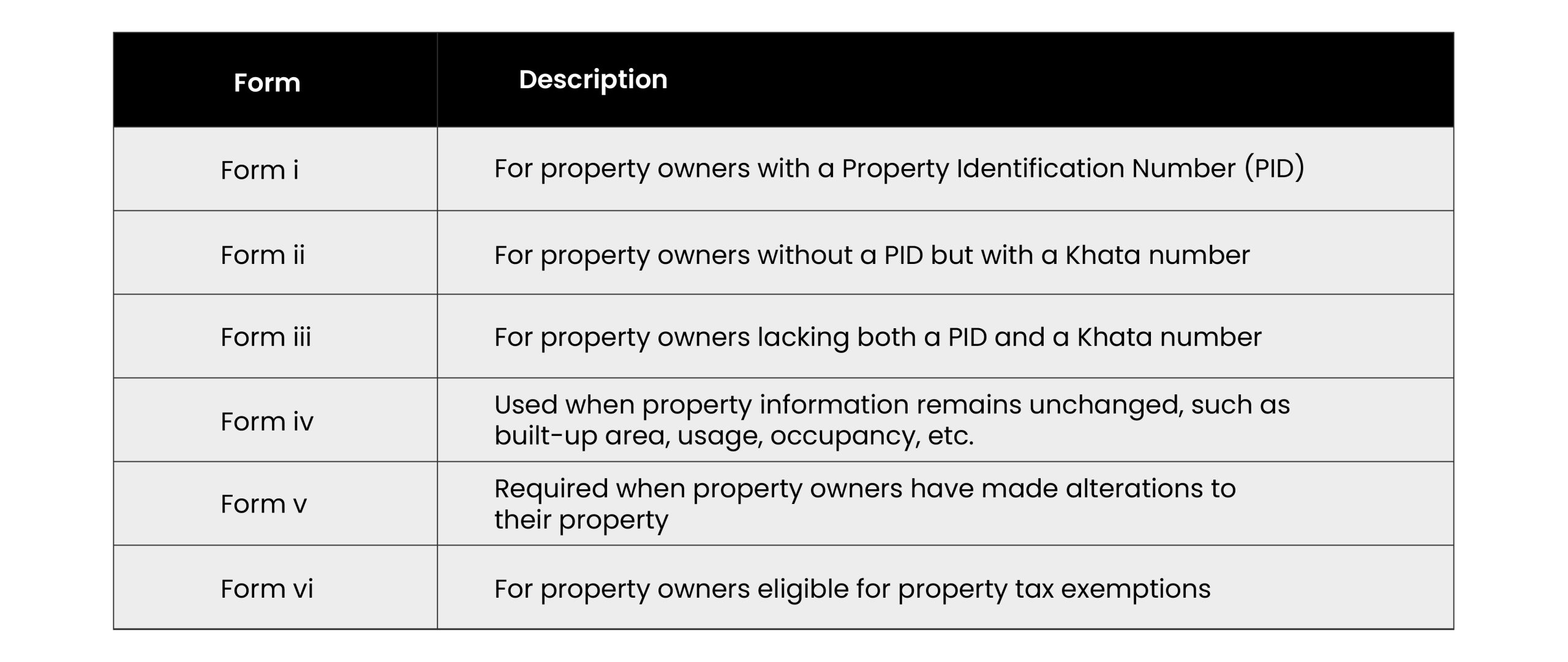
BBMP ( Now GBA) Property Tax Forms Explained
How to Pay Property Tax in Bangalore
Online Payment Steps
1. Visit: https://bbmptax.karnataka.gov.in/
2. Enter PID or SAS number
3. Verify property details
4. Click “Pay Online”
5. Choose payment mode (UPI, card, net banking)
6. Download receipt
7. Receipt is available within 24 hours.
Offline Payment Method
1. Generate a challan
2. Visit the authorised bank or the BangaloreOne centre
3. Pay using a challan
How Does the BBMP (now GBA) Calculate Property Tax in Bangalore?
In Bangalore, property tax is calculated using the Unit Area Value (UAV) system. This method has been retained by the GBA from the previous BBMP system and remains unchanged during the governance transition.
The city is divided into six value zones (A to F), each with different rates depending on property value and location. The Department of Stamps and Registration determines these zonal values.
Property Tax Formula
Property Tax (K) = (G − I) × 20% + Cess (24% of Property Tax)
Where:
- G = Gross Unit Area Value of the property
- I = Depreciation value based on the age of the building
This formula helps determine the final property tax payable by homeowners.
Property Tax in Bangalore: Payment, Dates, Rebates & Penalties
Property Tax Payment Period
The property tax year runs from April 1 to March 31 of the following year. For example, property tax for 2025–2026 must be paid between April 1, 2025 and March 31, 2026. Timely payment helps avoid penalties and allows property owners to receive rebates.
Rebates and Penalties
Property owners in Bangalore can receive a 5% rebate if they pay the full tax amount before May 31 of the current financial year (e.g., May 31, 2026, for FY 2025–26). This rebate is automatically applied at the time of payment on the portal.
Alternatively, the tax can be paid in two instalments before June 30 to avoid interest charges, though this option does not qualify for the rebate.
If the tax is not paid on time, a penalty of 2% interest per month will be applied to the outstanding amount. Defaulters who have not paid property tax for two consecutive years will attract a 100% penalty plus 15% simple interest on dues from April 1 of the default year. Continued non-payment can result in the sealing or attachment of the property.
Property Tax for Non-BBMP (GBA) Areas in Bangalore
Not all areas in Bangalore fall under the BBMP/GBA jurisdiction. If your property lies outside BBMP/GBA limits, property tax must be paid to the local Gram Panchayat through Bapuji Seva Kendra (BSK). The Rural Development and Panchayat Raj Department (RDPRD) manages property tax collection in these areas.
Property Tax in Bangalore: Online Payment Method
Step 1: Visit the BBMP property tax portal
Step 2: Enter your Property Identification Number (PID) or application number.
Step 3: Verify your property details.
Step 4: Click on Pay Online.
Step 5: Choose your preferred payment method, such as net banking, debit card, credit card, or digital wallet.
Step 6: Complete the transaction and download the receipt for your records.
How to Check Property Tax Dues in Bangalore
To check your property tax dues, visit the official portal at https://bbmptax.karnataka.gov.in/, enter your Property Identification Number (PID) or SAS application number, and the portal will display the outstanding tax amount and payment status.
How to Download Property Tax Receipts
To download your property tax receipt, visit the portal, go to the Downloads section, select Receipt Print, enter your assessment year and application number, enter the captcha code, and click Submit to download the receipt in PDF format.
Frequently Asked Questions (FAQs)
1. What is the difference between BBMP and GBA?
The BBMP (Bruhat Bangalore Mahanagara Palike) was the single municipal corporation governing Bangalore. It was replaced by the Greater Bangalore Authority (GBA) on September 2, 2025. The GBA is an apex body that oversees five smaller city corporations, North, South, East, West, and Central Bangalore, for more decentralised governance. The property tax portal and payment process remain unchanged.
2. Does paying property tax give ownership in India?
No. Paying property tax does not transfer ownership. Ownership is established through a registered sale deed.
3. What are the different property tax systems in India?
India primarily uses three systems: Capital Value System, Annual Rental Value System, and Unit Area Value System. Property tax in Bangalore follows the UAV system (Unit Area Value)
4. What happens if property tax is not paid on time?
A penalty of 2% per month is applied to the outstanding tax amount.
5. Do I need to pay property tax if I have a home loan?
Yes. Property tax must be paid separately by the property owner and is not included in the mortgage payment.
6. Can property tax assessments be appealed?
Yes. Property owners can appeal the assessment if they disagree with the municipal authority’s valuation.
7. Can I claim property tax for self-occupied property in income tax?
Yes. Under income tax rules, up to two houses can be treated as self-occupied properties.
Read our Latest Blogs
UDS Full Form and Meaning: What Every Bangalore Flat Buyer Should Know

Real Estate Basics
- September 7, 2026
- 17 min read

RERA Terms and Definitions Every Homebuyer in Karnataka Should Know
Regulatory & Legal Guide
- August 28, 2026
- 36 min read
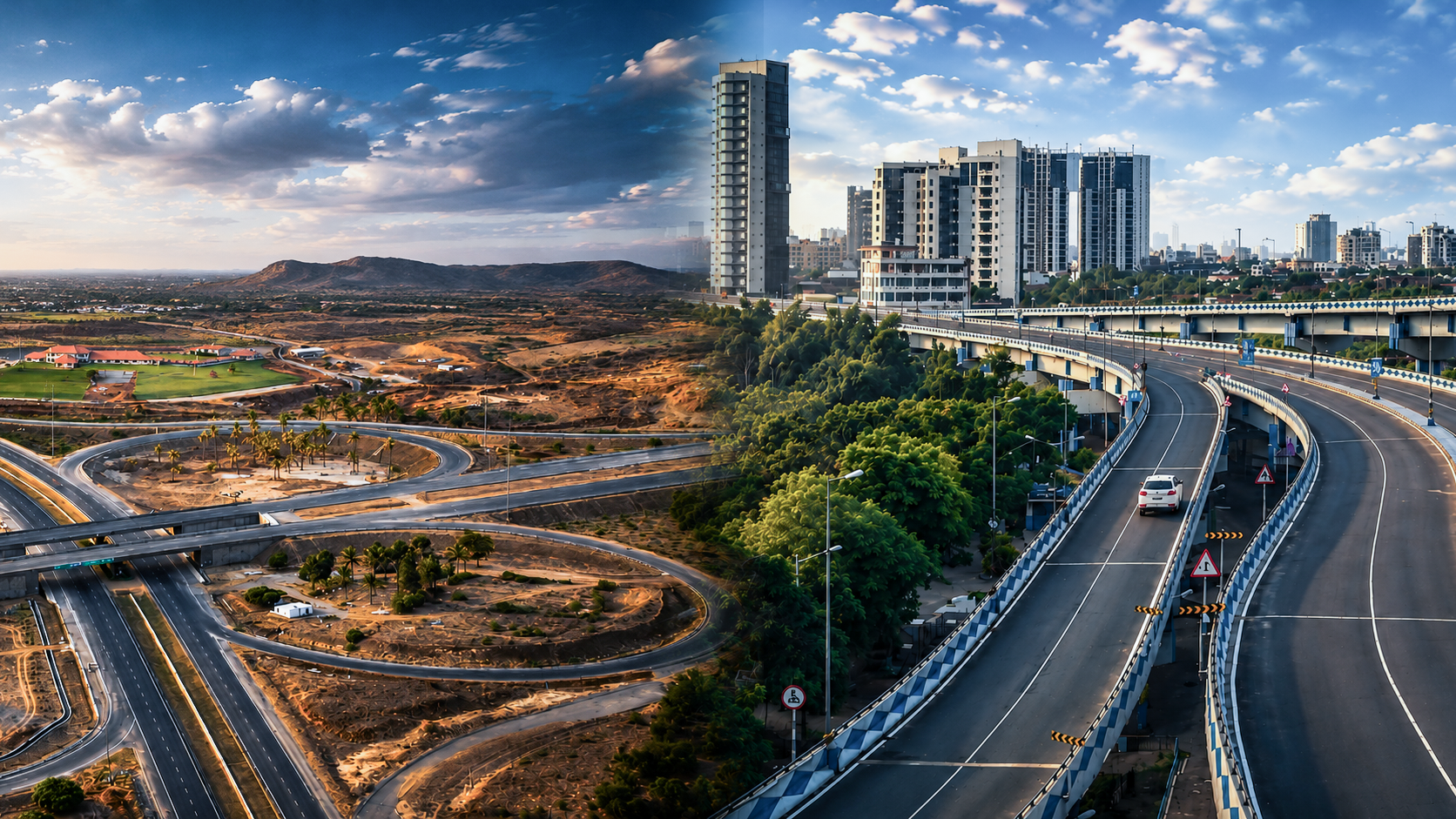
STRR vs PRR Bangalore 2026: Route, Key Differences, Status & Real Estate Impact
Buying & Investing Insights
- August 19, 2026
- 22 min read

Explore Projects
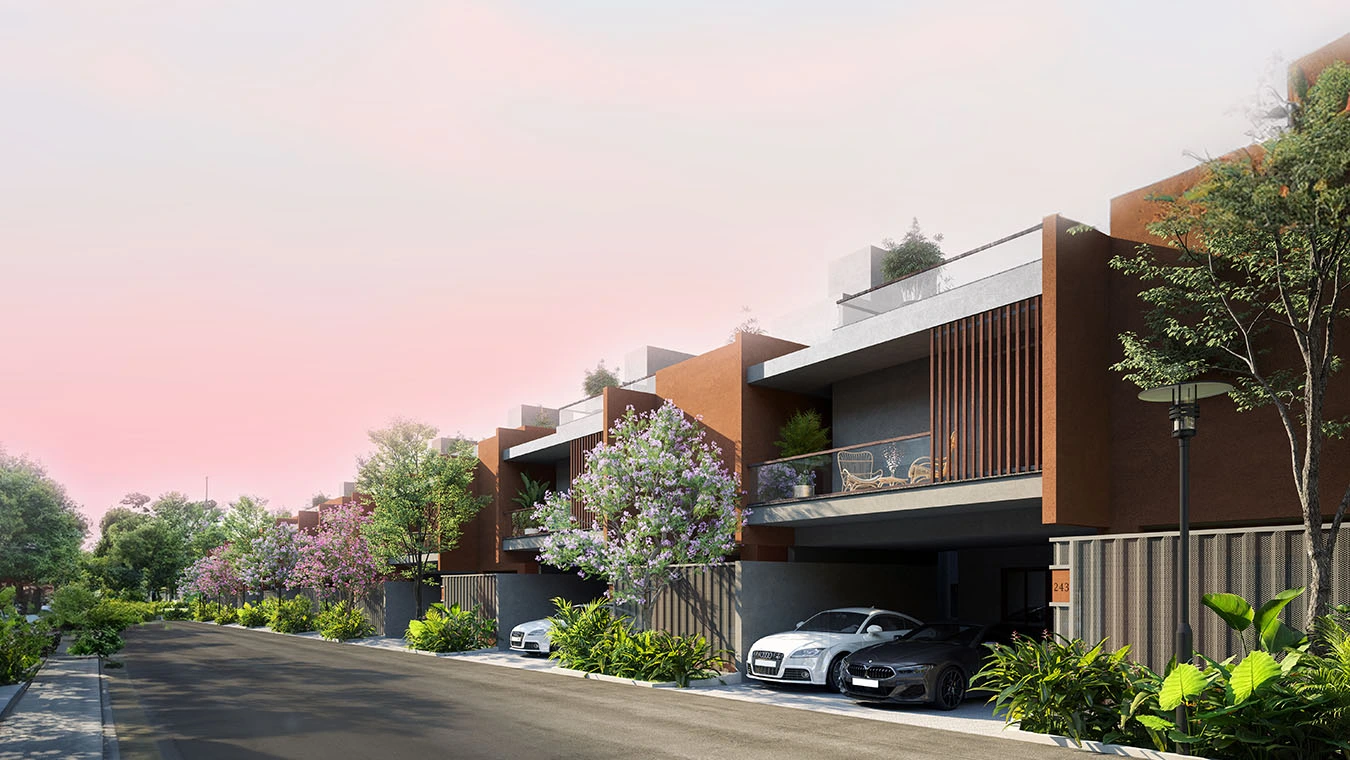

Independent 4 & 5 BHK Villas
starts @ 5 Cr

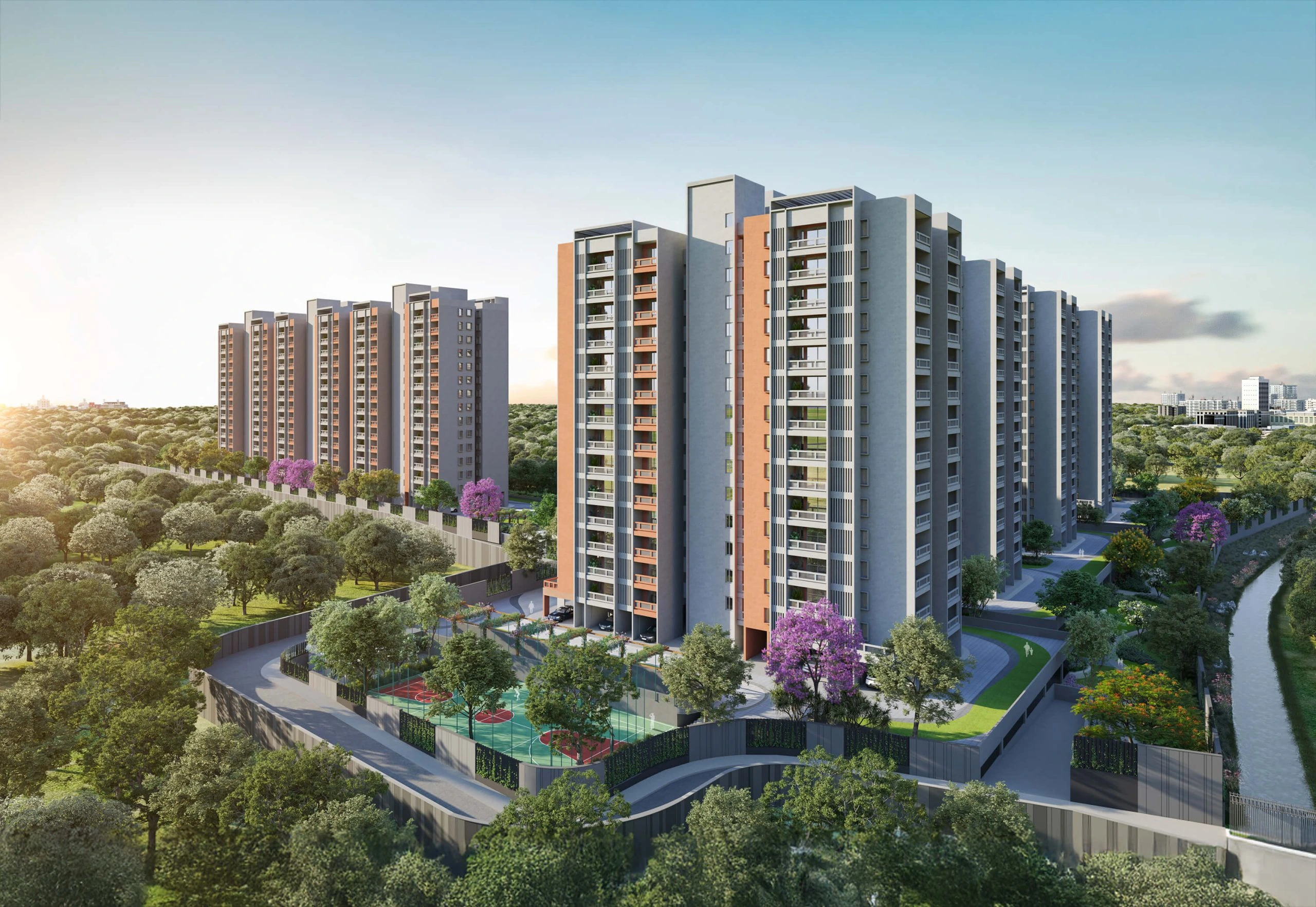

Sarjapur’s Exclusive 3 BHK Community
starts @ 1.8 Cr
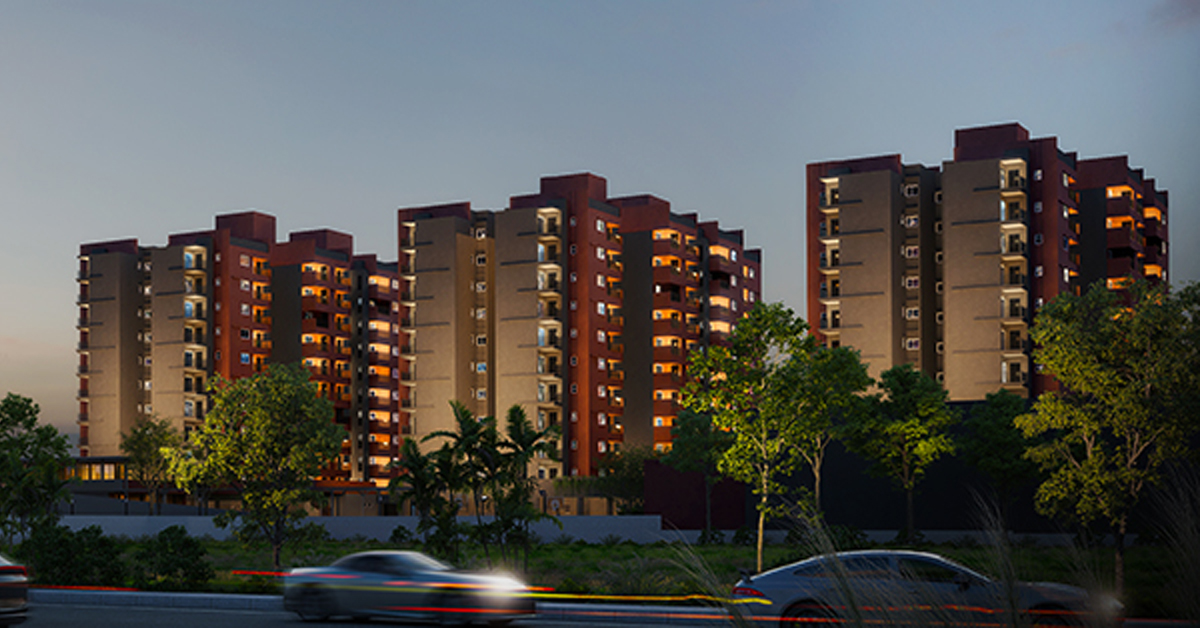

Multi-Gen 2 & 3 BHK Homes
Starts @ 1.87 Cr
Refer & Earn Up to 2%

Invite your friends to explore Modern Spaaces and earn up to 2% of the home value they buy.

Find your Dream Home. Let's talk
Tell us a bit about what you're looking for. One of us will get back to you!