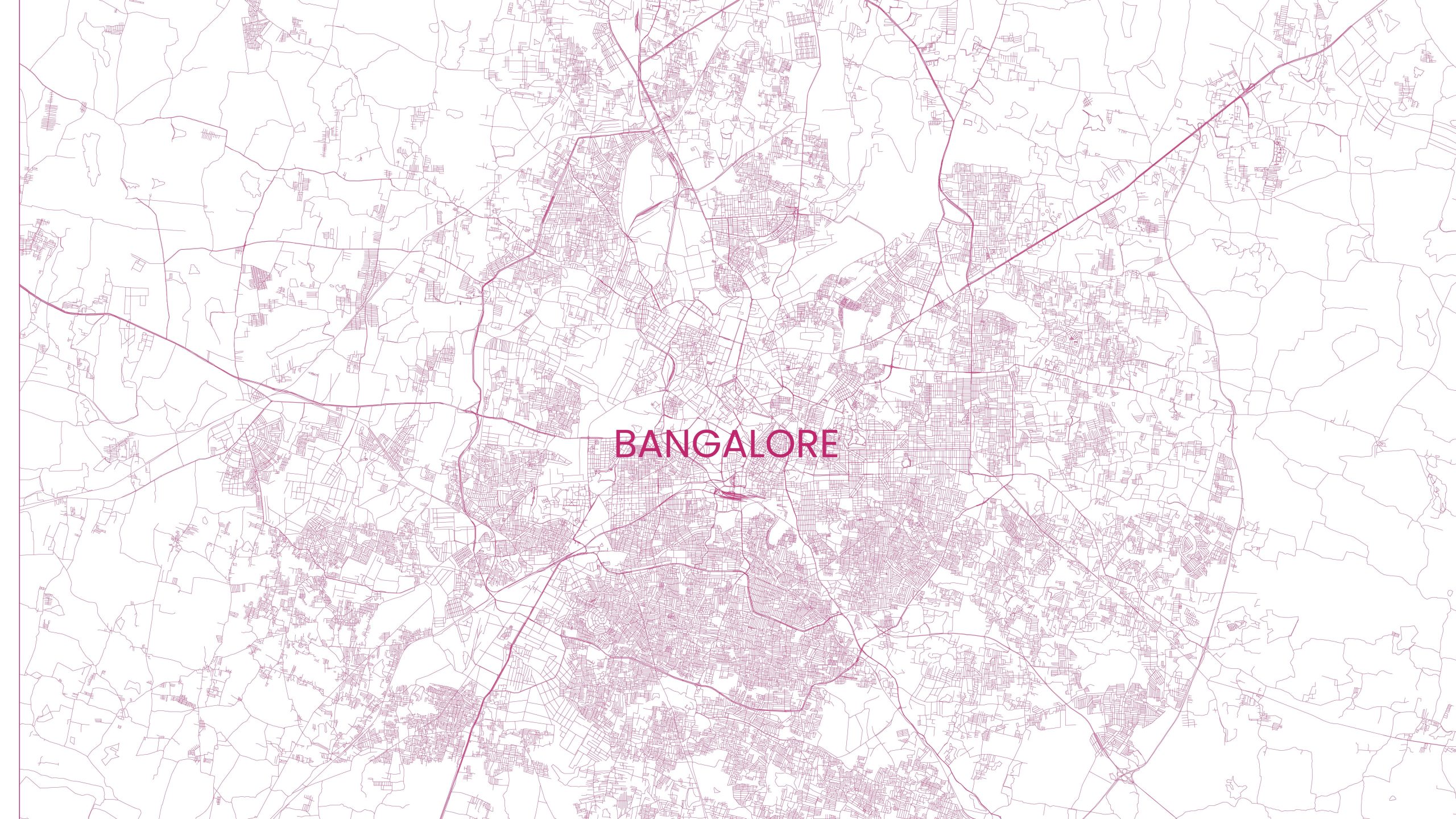
Why Is Bangalore Growing So Fast? Urban Expansion, Infrastructure & Real Estate Trends 2027

Buying & Investing Insights
- November 2, 2026
- 13 min read
Why Is Bangalore Growing So Fast?
The answer often comes down to a combination of technology, employment opportunities, pleasant weather and a cosmopolitan culture. For many professionals across India, Bangalore is one of the first cities that comes to mind when a new job opportunity opens up. Ask someone who has received a job offer in another city, and there is a good chance Bangalore is on the list.
For many others, the connection is even more personal. Friends, family and professional networks already living in the city make Bangalore an attractive destination for those looking to relocate.
This steady migration has transformed Bangalore in unimaginable ways over the past few decades. Once a relatively compact city, it has grown into one of India’s largest metropolitan centres, with residential neighbourhoods, technology parks, commercial hubs and transport networks extending well beyond its traditional city limits.
Today, Bangalore’s urban expansion is reshaping where people live, where businesses operate and where real estate development is taking place.
But how fast is Bangalore actually growing? And what is driving this transformation?
To understand Bangalore’s growth, we need to look beyond population figures. The city’s transformation can also be seen in its expanding built-up area, employment opportunities, infrastructure development, migration patterns and emerging real estate corridors.
Bangalore’s Urban Footprint Has More Than Doubled
One of the clearest indicators of Bangalore’s expansion is the growth of its built-up area. A study analysing land-use and land-cover changes found that Bangalore’s built-up area increased from 162.35 sq. km in 1994 to 376.37 sq. km in 2024, a growth of approximately 132% over three decades.
During the same period, open land declined from 429.08 sq. km to 210.67 sq. km.
The study also identified a shift in the city’s development pattern, from fragmented growth towards denser and more consolidated urbanisation.
These changes reveal that Bangalore isn’t simply becoming more populated. The physical city itself is expanding, with more land being transformed into residential, commercial and infrastructure developments.
However, this expansion also highlights the importance of responsible urban planning, particularly when it comes to protecting open spaces, natural landscapes and water bodies.
How Is Population Growth Driving Bangalore’s Expansion?
Bangalore’s physical expansion goes hand in hand with its growing population.
According to Government of Karnataka data for Bangalore Urban district, the population stands at 9,621,551, with more than 8.74 million people classified as urban. The district’s reported decadal population growth is 47.18%.
Historical Census data further illustrates this transformation. In 2011, Bangalore Urban Agglomeration recorded a population of approximately 8.5 million.
Employment, education, entrepreneurship and investment have all contributed to Bangalore’s appeal as a destination for people from across India.
As more people move to the city, the demand for housing, public transport, healthcare, education and everyday conveniences continues to grow.
This demand is also encouraging residential development beyond established neighbourhoods, creating new communities across Bangalore’s expanding urban landscape.
What Is Driving Bangalore’s Rapid Urban Growth?
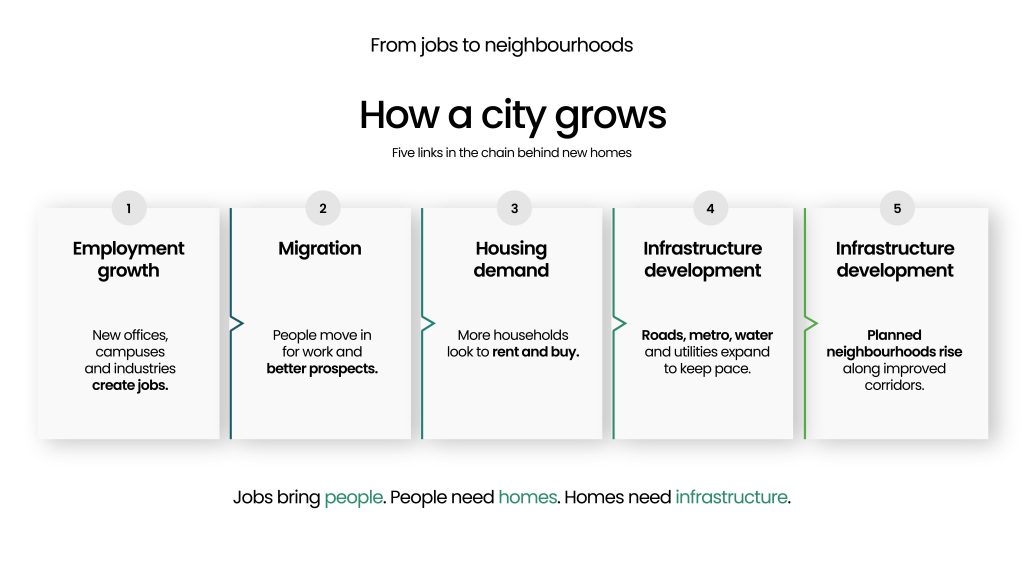
Bangalore’s expansion is the result of several interconnected factors. Employment, infrastructure and housing demand are influencing how and where the city develops.
1. Employment Opportunities and Economic Growth
Bangalore’s technology and services sectors have long played a major role in its economic growth.
The expansion of IT companies, global capability centres, startups and other businesses has created employment hubs across different parts of the city.
As these employment centres grow, residential demand often follows. This cycle has contributed to the emergence of new residential destinations around Bangalore’s major employment hubs.
For homebuyers, proximity to work, connectivity and access to everyday essentials are increasingly important considerations when choosing a neighbourhood.
2. Infrastructure Development Is Reshaping Bangalore
Infrastructure is one of the major factors influencing Bangalore’s urban expansion.
Road networks, metro lines and public transport systems can improve accessibility to previously less-connected locations, making them more attractive for residential and commercial development.
Bangalore Metro offers an example of how transport infrastructure and urban growth are connected.
Research examining metro influence zones between 1997 and 2024 found that built-up land within a 1,500-metre buffer around metro corridors increased from 146.88 sq. km to 232.94 sq. km.
The study also found particularly pronounced development within the 500–1,000 metre zone around metro corridors.
While this does not mean that metro connectivity alone causes urban growth, it highlights the relationship between improved accessibility and changing development patterns.
For Bangalore’s real estate market, connectivity is becoming an increasingly important factor in how residential locations evolve.
Bangalore Is Expanding Outwards While Becoming Denser
Bangalore’s urban growth isn’t simply about expanding into new areas.
Research on the city’s urbanisation indicates a shift from fragmented, leapfrog development towards greater infill and consolidation within already developing areas.
In simple terms, Bangalore is experiencing two forms of growth simultaneously:
- Outward expansion: Residential and commercial development is extending into new locations.
- Urban densification: Existing developed areas are accommodating more buildings, homes and infrastructure.
This has important implications for Bangalore’s residential real estate market.
As land values rise and urban density increases, the quality of planning becomes just as important as the location itself.
Well-planned residential communities need to consider factors such as open spaces, ventilation, access, infrastructure and the everyday needs of residents.
What Does Bangalore’s Urban Expansion Mean for Real Estate?
As Bangalore grows, new residential opportunities are emerging across the metropolitan region.
However, a developing location isn’t automatically a suitable place to buy a home.
For homebuyers, the question is gradually shifting from:
How far is this property from Bangalore’s city centre?
To:
How well-connected, accessible and liveable is this neighbourhood, today and in the years ahead?
This means evaluating more than the apartment or villa itself.
Employment hubs, road connectivity, public transport, schools, hospitals, retail, water infrastructure and green spaces all contribute to a neighbourhood’s long-term residential appeal.
Understanding these factors can help homebuyers assess whether a property aligns with their lifestyle, commute and future housing needs.
Bangalore Real Estate Trends 2027
Bangalore’s housing market is steady rather than frenzied. Demand is holding up, prices are firming, and developers are leaning towards premium homes. Here is what the latest data shows.
1. Sales are holding up.
Anarock recorded roughly 16,670 homes sold in Bangalore in Q3 2026, up 9% on the previous quarter and 12% year on year. Together with the Mumbai Metropolitan Region, the city accounted for 48% of sales across India’s top seven cities. With global conditions still unsettled, more buyers may favour tangible assets over less predictable options, which could support demand in the year ahead.
2. Prices are rising, but unevenly.
Knight Frank recorded 11% annual price growth in Bangalore, and notes that higher-priced stock entering its inventory-weighted average may partly explain the figure. Anarock puts average price growth across the top seven cities at 7%. Growth varies by corridor and budget segment, so a city-wide number only tells part of the story.
3. Premium homes are taking a bigger share of launches.
Anarock found that one in four new homes launched in Bangalore in Q2 2026 was in the luxury segment. Developers are focusing on higher-value projects, which can leave fewer new options for mid-income buyers in some locations.
4. Buyers have more choice.
Across India’s eight largest markets, launches have exceeded sales for 16 consecutive quarters, according to Knight Frank. More supply gives buyers room to compare projects, timelines and developers before deciding.
What this means for homebuyers
A steady market rewards careful research over quick decisions. Compare connectivity, social infrastructure, project timelines and developer track record, and look at the micro-market rather than the city average.
The Rise of Bangalore’s Residential Growth Corridors
As Bangalore’s urban footprint expands, several corridors have emerged as important residential and employment destinations.
Sarjapur Road, Whitefield, Electronic City and North Bangalore are among the areas that have experienced significant development alongside the city’s expanding economic and infrastructure networks.
Why Is Sarjapur Road an Important Growth Corridor?
Sarjapur Road is a notable example of Bangalore’s evolving residential landscape.
Its location provides access to employment and residential destinations across southeast Bangalore, while existing and proposed infrastructure continues to shape the area’s development.
The corridor’s residential growth reflects a broader trend: as Bangalore’s employment hubs and infrastructure networks expand, homebuyers are increasingly looking beyond traditional city-centre locations.
For prospective buyers, the neighbourhood’s existing connectivity, social infrastructure, residential planning and future development are all important factors to evaluate.
Rather than focusing only on future growth projections, homebuyers should also consider the area’s current liveability and the practical advantages it offers for everyday life.
What Could Bangalore Look Like in 2030?
Bangalore in 2030 could look very different from the city we know today. As the city expands beyond its traditional core, new transport networks, employment hubs, residential developments and infrastructure projects are reshaping how Bangalore grows.
The future of Bangalore’s urban development is likely to be more connected and geographically distributed, with multiple growth corridors emerging across the metropolitan region.
How Will Bangalore Grow by 2030?
The Bangalore Revised Master Plan 2031 envisioned a planning area of approximately 1,206.97 sq. km, with a projected population of around 18–20 million by 2031.
These are long-term planning projections rather than current population estimates. However, they indicate the scale of urban expansion that Bangalore’s planners have been preparing for.
As the city grows, development is expected to extend further along major infrastructure and employment corridors, creating new residential and commercial hubs outside the traditional city centre.
How Will Infrastructure Shape Bangalore in 2030?
Infrastructure will be a key factor shaping Bangalore’s growth by 2030.
The Union Cabinet’s approval of Bangalore Metro Phase 3 added 44.65 km and 31 stations to the planned metro network. The expansion aims to improve connectivity across several parts of the city and better integrate residential and employment areas.
Other major transport projects, road improvements and emerging employment hubs are also expected to influence where people live, work and invest across Bangalore.
What Does This Mean for Homebuyers?
For homebuyers, understanding where Bangalore is growing could become increasingly important.
By 2030, factors such as metro connectivity, road infrastructure, proximity to employment hubs, social infrastructure and future development plans could play a greater role in determining the appeal of different neighbourhoods.
Rather than looking only at where Bangalore is today, it can be useful to consider how a location could evolve over the next five to ten years.
So, what could Bangalore look like in 2030?
A larger, more connected and more distributed metropolitan region, with multiple growth centres developing beyond the traditional city core.
For anyone considering a home or investment in Bangalore real estate, understanding these emerging growth corridors could provide valuable context for making an informed decision.
What Should Homebuyers Consider When Buying Property in a Growing City?
Rapid urban growth creates opportunities, but it also makes choosing the right home more important.
When evaluating an apartment, villa or residential property in an expanding part of Bangalore, consider the following factors:
- Connectivity: How accessible are major employment hubs and everyday destinations?
- Infrastructure: What existing and proposed transport networks serve the area?
- Social infrastructure: Are schools, hospitals, supermarkets and essential services nearby?
- Liveability: Does the development offer adequate open spaces, natural light and ventilation?
- Residential density: How many homes share the community and each floor?
- Future development: How might the surrounding neighbourhood change over the next five to ten years?
- Water and sustainability: How does the development approach water management, energy efficiency and green spaces?
- Developer track record: Does the builder have experience delivering residential projects and managing communities?
The goal isn’t simply to buy in a fast-growing location. It’s to find a home that meets your needs while being well-positioned within Bangalore’s evolving urban landscape.
How Modern Spaaces Is Responding to Bangalore’s Urban Growth
As Bangalore expands, the need for thoughtfully planned residential communities grows. At Modern Spaaces, we focus on creating homes that meet the evolving needs of Bangalore’s homebuyers—combining practical design, connectivity, community living, and attention to detail.
With residential developments across Sarjapur Road and other emerging growth corridors, Modern Spaaces focuses on creating spaces that balance everyday functionality with the experience of living in a well-planned community.
The approach goes beyond building homes. It centres on creating residential environments where people have room to grow, connect and build their lives.
From apartments to villas and plotted developments, Modern Spaaces offers homes across different formats to suit varied aspirations and lifestyles.
As Bangalore continues to grow, the focus remains on building thoughtfully planned communities with people at heart, where connectivity, liveability and the needs of residents are an integral part of the homebuying journey.
Explore Modern Spaaces to learn more about its residential developments in Bangalore.
Bangalore’s Growth Needs Better Urban Planning
Bangalore’s rapid expansion also brings greater responsibility.
As the city develops, pressure on roads, water resources, public transport, green spaces and other essential infrastructure is likely to increase.
Research on Bangalore’s urban expansion highlights the conversion of open land and changes in water bodies, while studies around metro corridors indicate increasing development intensity.
This makes thoughtful urban planning essential to the city’s long-term liveability. The future of Bangalore shouldn’t simply be about building more homes. It should also be about building better communities.
Residential development needs to consider connectivity, infrastructure, open spaces, sustainability, natural light, ventilation and the everyday needs of residents.
The quality of Bangalore’s future growth will depend not only on how much the city builds, but also on how effectively it plans for the people who live there.
The Bangalore of Tomorrow Is Being Built Today
Bangalore’s expansion is more than a story of population growth or new construction.
It is a story of how people, employment, infrastructure and real estate are reshaping an entire metropolitan region.
Over the past three decades, the city’s built-up area has more than doubled. Its population has grown, transport networks have expanded and new residential and employment corridors have emerged.
The next phase of Bangalore’s urban growth will depend not just on how quickly the city expands, but on how thoughtfully it develops.
For homebuyers, understanding this transformation can provide a broader perspective on property decisions — helping them consider not only where to buy a home today, but also the kind of neighbourhood they want to live in tomorrow.
FAQs (Frequently Asked Questions)
1. Why is Bangalore growing so fast?
Bangalore’s rapid growth is driven by employment opportunities, migration, infrastructure development and rising demand for housing. The expansion of technology hubs and transport networks has also encouraged residential and commercial development beyond the city’s traditional urban core.
2. How much has Bangalore expanded in the last 30 years?
A land-use study found that Bangalore’s built-up area increased from 162.35 sq. km in 1994 to 376.37 sq. km in 2024 — an increase of approximately 132%.
3. Which areas are driving Bangalore’s real estate growth?
Sarjapur Road, Whitefield, Electronic City and North Bangalore are among the city’s important residential and employment corridors. Their development is influenced by employment opportunities, connectivity and expanding urban infrastructure.
4. Why is Sarjapur Road popular among homebuyers?
Sarjapur Road offers access to employment and residential destinations across southeast Bangalore. Its evolving infrastructure and residential development make it an important corridor for homebuyers to consider, alongside factors such as current connectivity, social infrastructure and liveability.
5. How does infrastructure affect Bangalore’s real estate market?
Infrastructure such as metro lines, roads and public transport can improve accessibility and influence where residential and commercial development takes place. However, property decisions should also account for existing infrastructure, project timelines and the overall liveability of the neighbourhood.
6. What should homebuyers look for in Bangalore’s growing neighbourhoods?
Homebuyers should evaluate connectivity, employment access, social infrastructure, water availability, open spaces, residential density, developer track record and the area’s existing and planned development.
7. How is Modern Spaaces contributing to Bangalore’s residential growth?
Modern Spaaces develops apartments, villas and plotted communities, with a focus on thoughtful planning, functionality, connectivity and community living. Its approach centres on creating homes that respond to the evolving needs of Bangalore’s homebuyers.
Read our Latest Blogs
Supersized 3 BHK Apartments in Bangalore at Unbeatable Value

Featured Property
- October 29, 2026
- 17 min read
Kada Agrahara vs Sompura Gate vs Sarjapura: Understanding Property Locations in Bangalore
Buying & Investing Insights
- October 26, 2026
- 20 min read
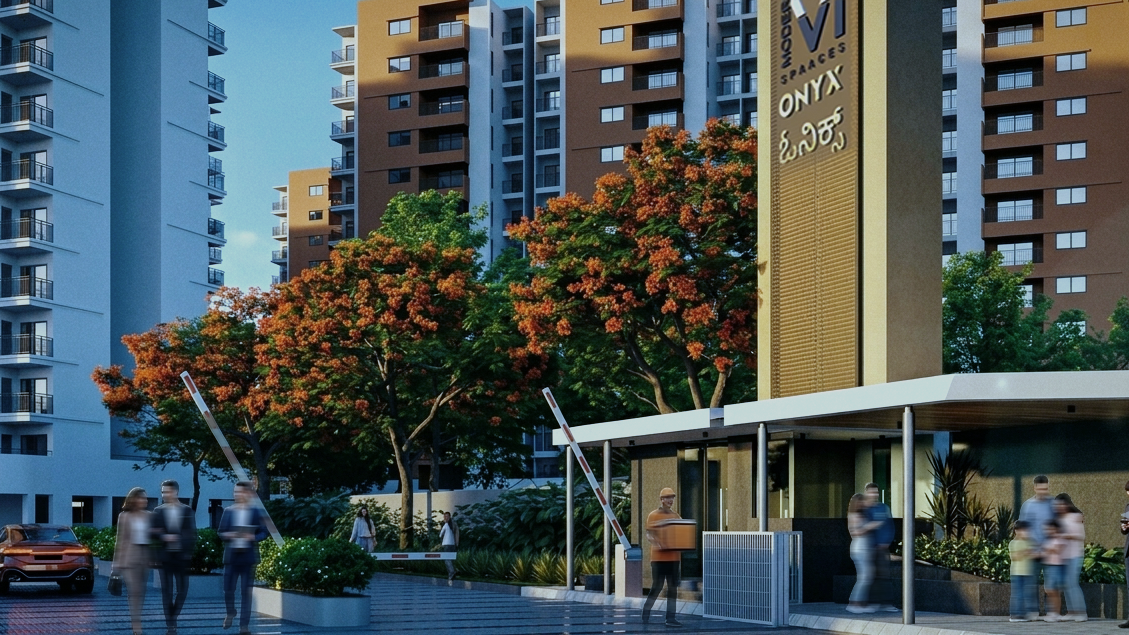
Top 6 Gated Community Apartments to Buy in Bangalore (2027 Guide)
Buying & Investing Insights
- October 19, 2026
- 28 min read

Explore Projects
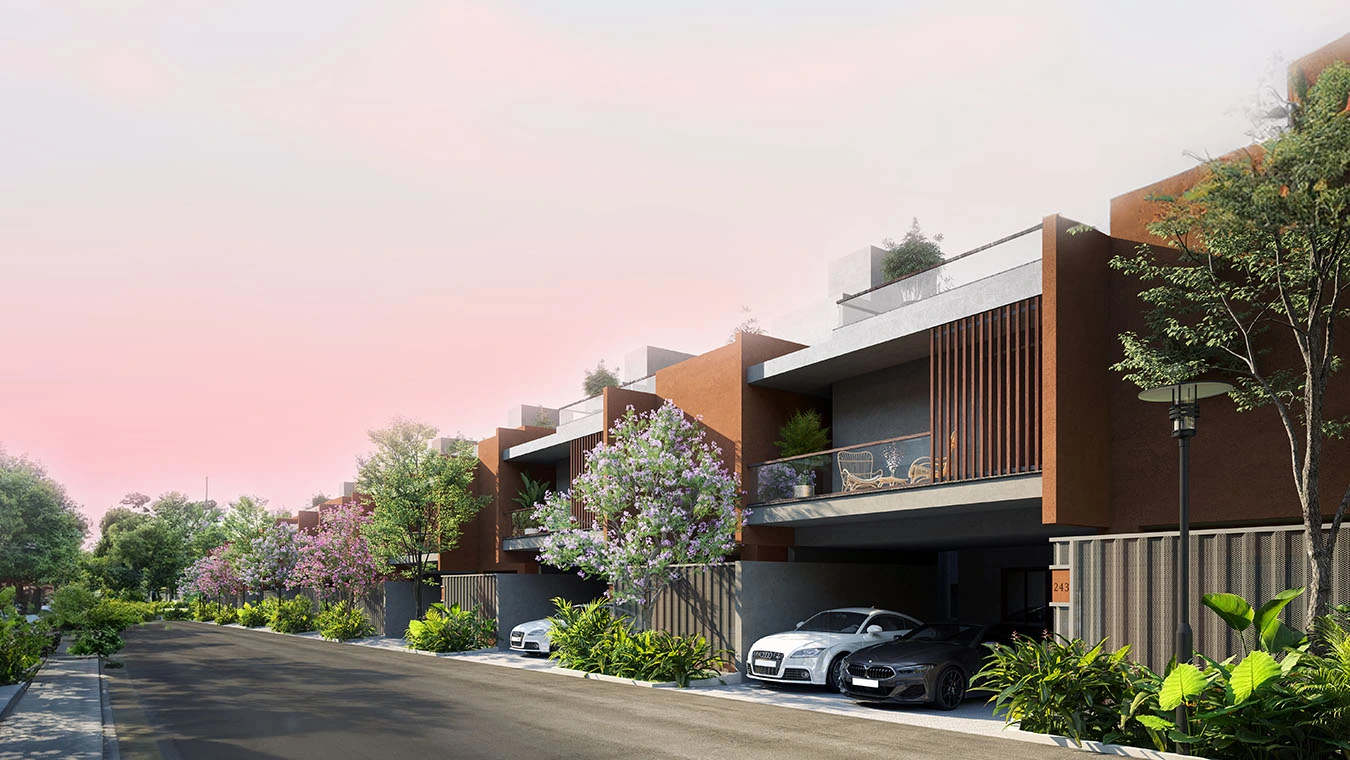

Independent 4 & 5 BHK Villas
starts @ 5 Cr

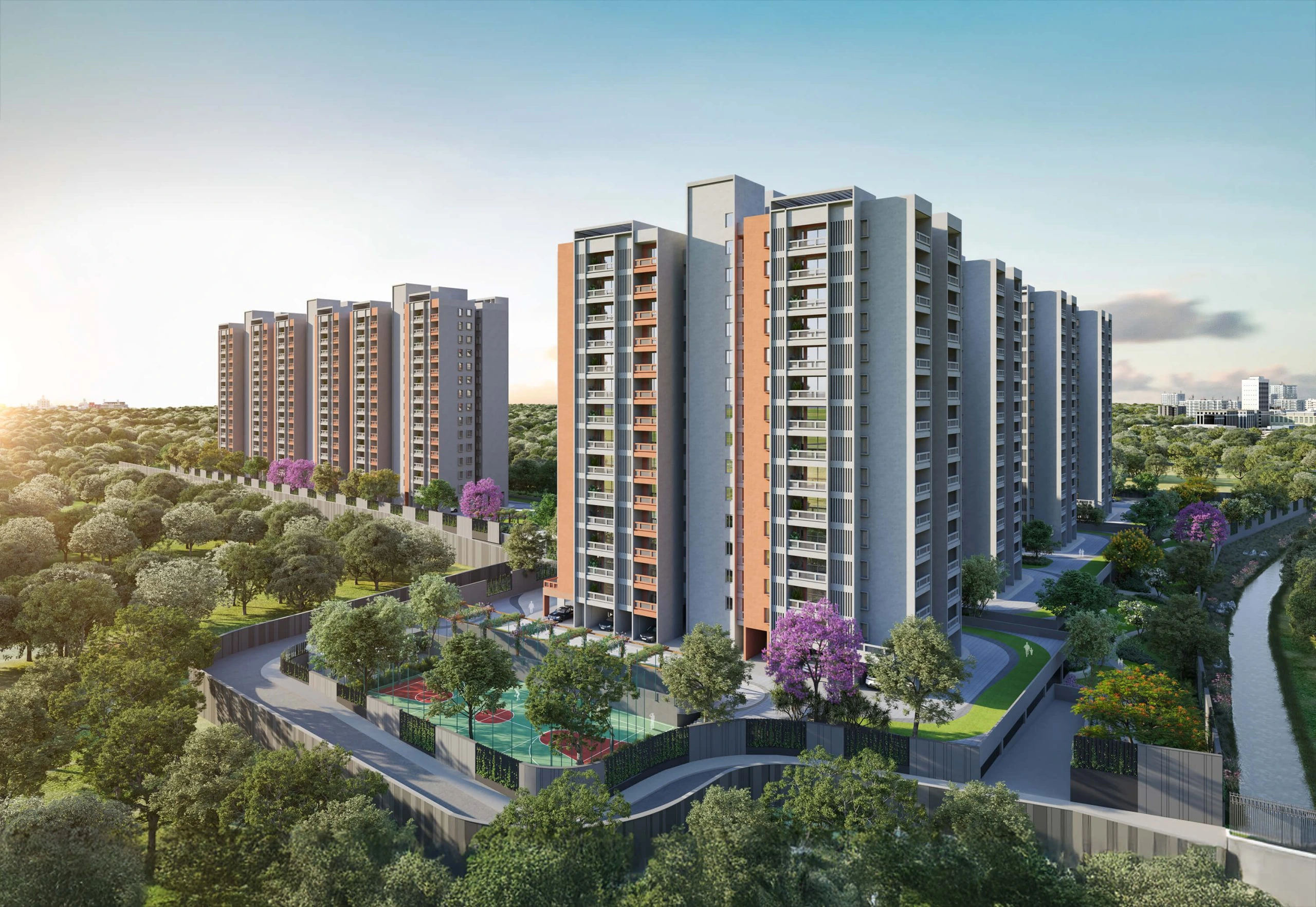

Sarjapur’s Exclusive 3 BHK Community
starts @ 1.8 Cr
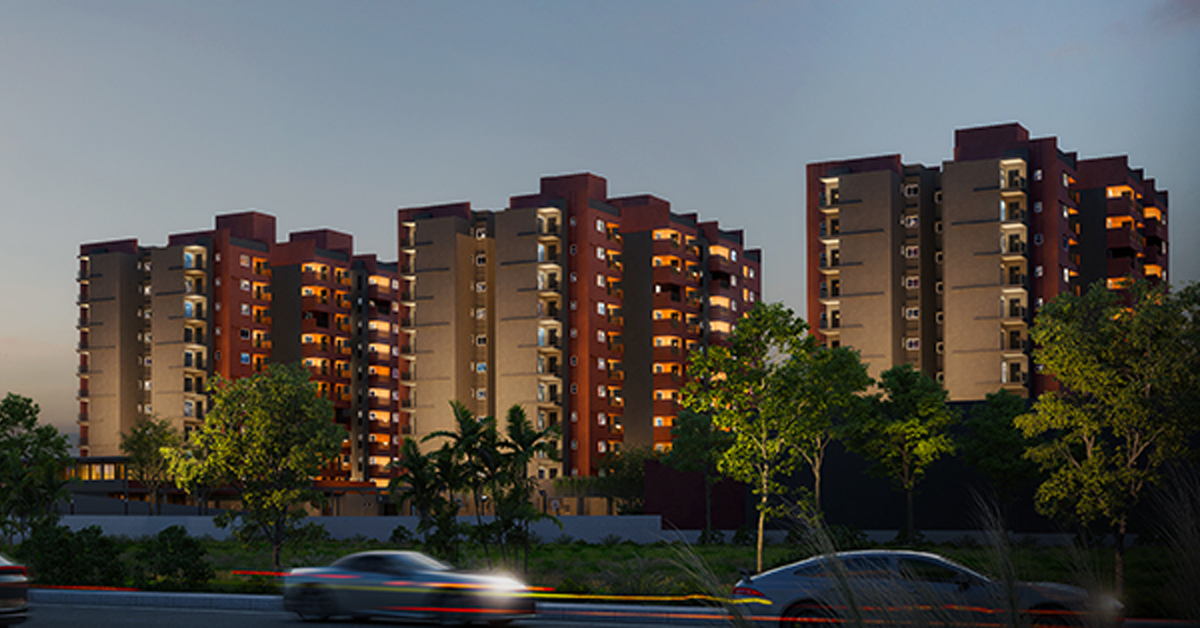

Multi-Gen 2 & 3 BHK Homes
Starts @ 1.87 Cr
Refer & Earn Up to 2%

Invite your friends to explore Modern Spaaces and earn up to 2% of the home value they buy.
Find your Dream Home. Let's talk
Tell us a bit about what you're looking for. One of us will get back to you!